Check the class before you trust the quote
A freight class calculator estimates a density-based class from a shipment’s dimensions and weight; it does not confirm the commodity’s NMFC item or guarantee the final price. Use the result to check a shipment before requesting a rate, then confirm that the classification and booking details describe the freight you will actually tender.
Start with the packaged handling unit, including its pallet, packaging and overhang. Measure its outside dimensions and obtain its actual weight rather than copying a previous shipment’s figures. Keep those measurements with the quote and bill of lading, so a later correction can be traced to a specific input.
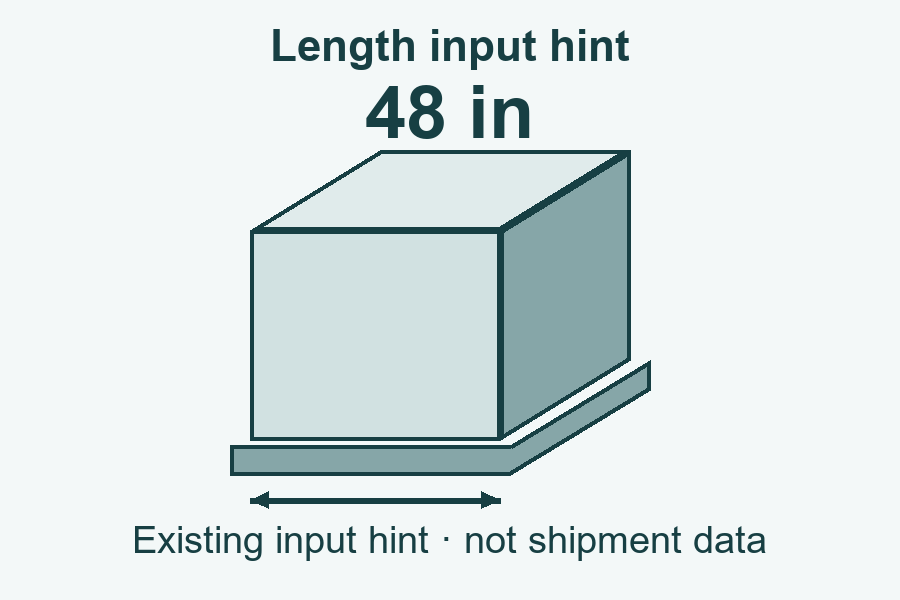
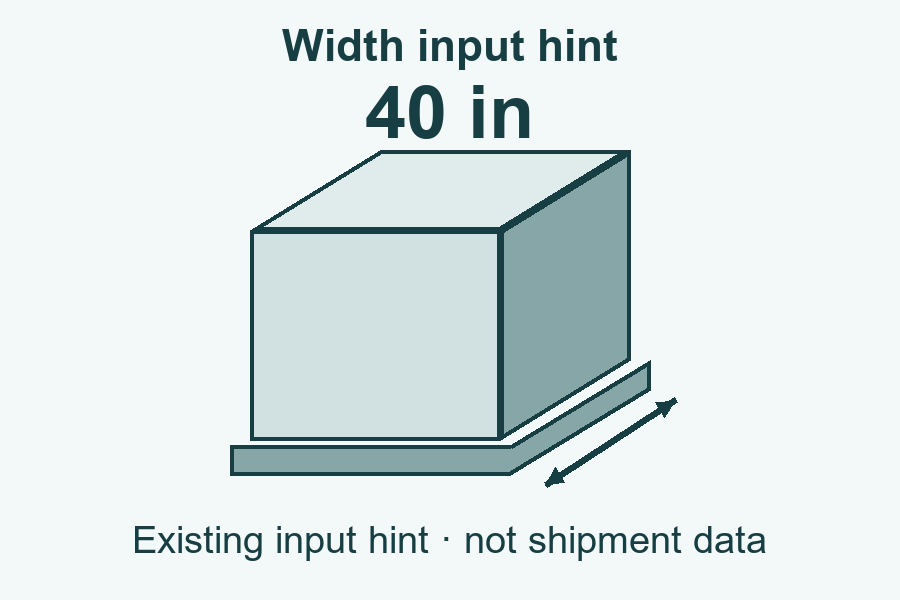
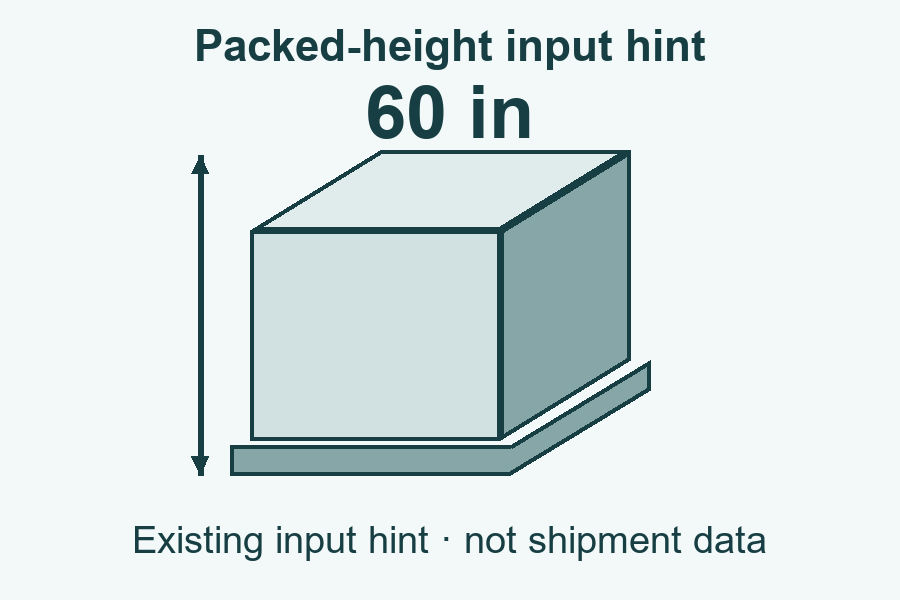
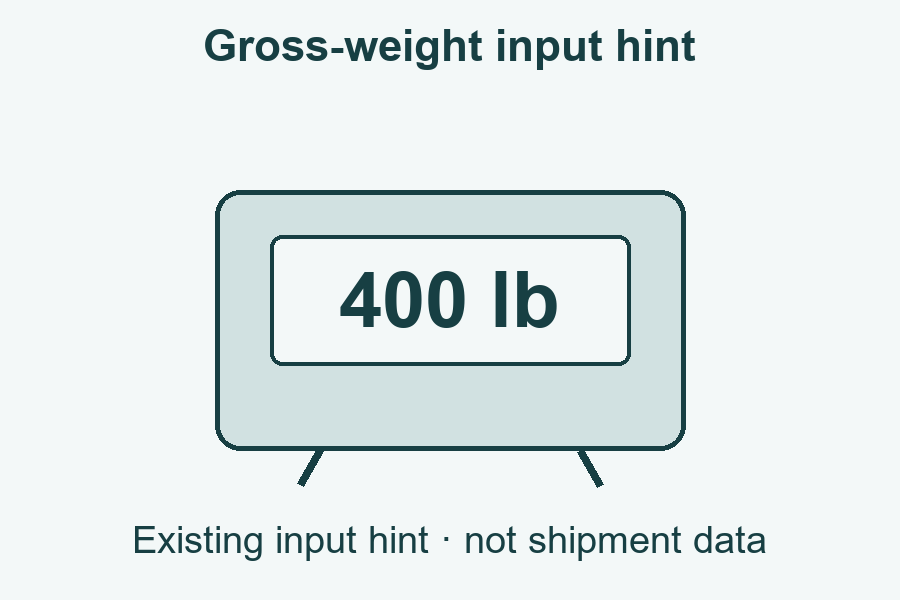
Watch the packed measurement walkthrough
Watch the English packed measurement walkthrough on YouTube. It follows the four input hints shown above.
An accurate measurement can still accompany an incorrect classification. Heavy steel parts, for example, should not be assigned a low class simply because they feel dense. Check the applicable commodity description before treating the calculator’s density result as the shipment’s classification.
When a carrier changes the class, separate a measurement disagreement from a commodity-classification disagreement. Request the weight and inspection records, then compare the carrier’s figures with the figures used for booking. If the dimensions match but the class differs, rerunning the same calculator will not explain which commodity description was applied.
A larger invoice also needs a pricing check. Ask whether the original quote remained valid and whether the rerating retained the contracted discount. A corrected density class and a lost discount are different problems, even when they arrive on the same invoice.
Before pickup, replace any assumed class with the confirmed shipment details and request an updated written quote if those details change. Do not assume that supplying the class after receiving a price automatically updates the booking.
A density-focused classification system does not make freight class and freight price interchangeable. Review the applicable tariff and any freight-all-kinds agreement alongside the classification, rather than treating a calculator result as a complete rate.
For repeated shipments, maintain dimensions and weights in the item records, but update them when the packaged load changes. The useful endpoint is a calculator result, a booking record and a carrier explanation that can be reconciled—not merely a lower number on the screen.
Compare packed cargo in both unit systems with the cargo density calculator with lb/ft³ and kg/m³ conversion.
Look up a recorded item and subitem with the NMFC freight class lookup and source reference.